
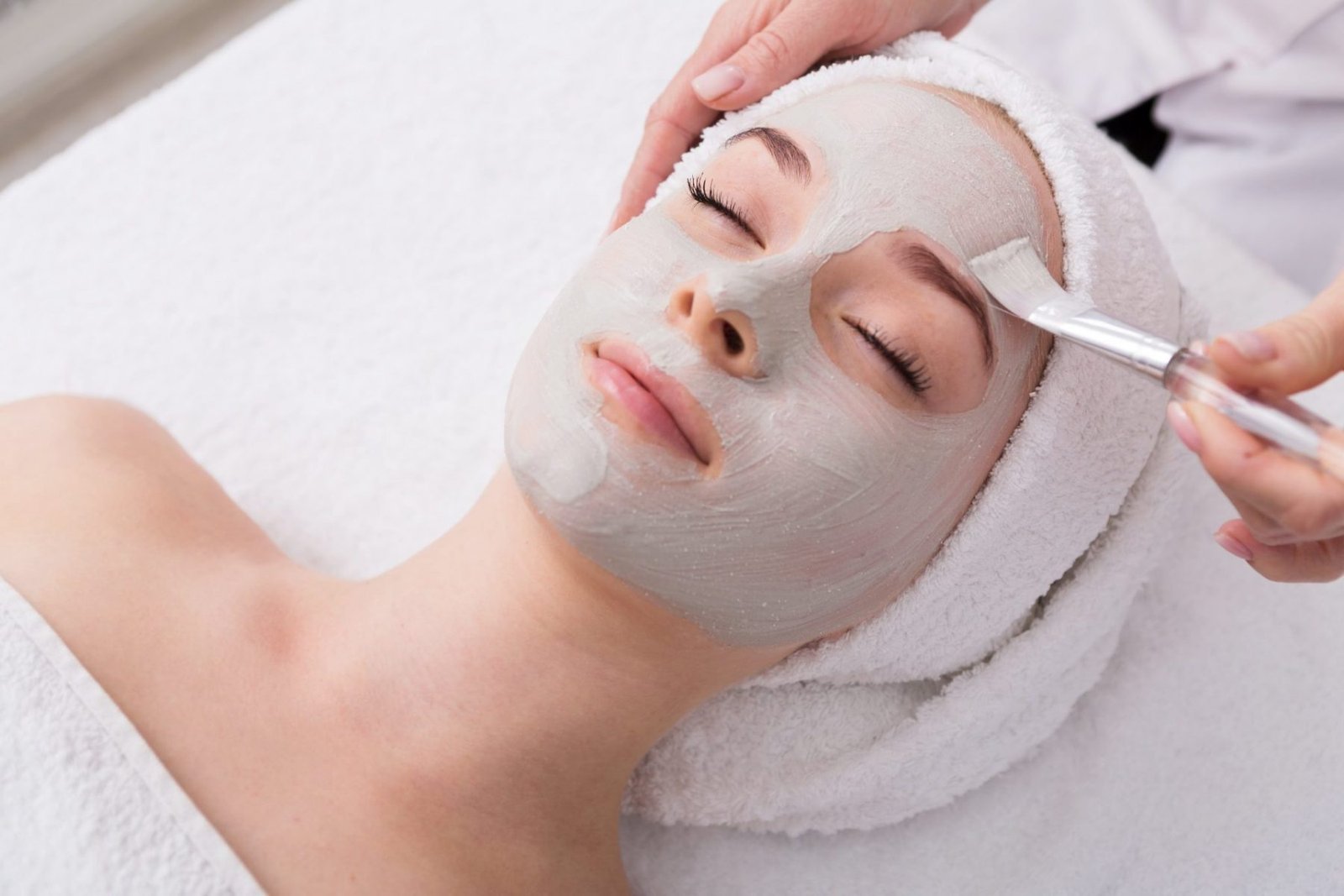
Facials are often seen as a luxurious treat—a way to relax and pamper yourself. But beyond the calming music and soothing masks, a facial actually triggers several important processes in your skin. Understanding what really happens during a facial can help you appreciate its benefits and choose treatments more wisely. Let’s break down what your skin goes through during a professional facial.
1. Deep Cleansing: Removing Surface Impurities
The first step of most facials is cleansing.
What’s happening to your skin: Dirt, oil, makeup residue, and environmental pollutants are gently removed from the skin’s surface and pores.
Why it matters: Daily cleansing at home doesn’t always remove deep-seated impurities. Professional cleansing preps your skin for the treatments that follow and helps prevent clogged pores and breakouts.
2. Exfoliation: Encouraging Cell Turnover
Exfoliation may be done using scrubs, enzymes, or chemical exfoliants.
What’s happening to your skin: Dead skin cells are loosened and removed, revealing fresher, brighter skin underneath.
Why it matters: As we age, cell turnover slows down. Exfoliation helps stimulate renewal, improves texture, and allows skincare products to penetrate more effectively.
3. Steam: Softening the Skin and Pores
Steam is often used to warm the skin.
What’s happening to your skin: Heat softens the outer layer of the skin and loosens debris inside pores.
Why it matters: This step makes extractions easier and less damaging while increasing circulation, which gives skin a healthy glow.
4. Extractions: Clearing Congested Pores
Extractions are one of the most talked-about parts of a facial.
What’s happening to your skin: Blackheads and whiteheads are carefully removed by a trained professional.
Why it matters: When done properly, extractions reduce congestion and help prevent future breakouts. Poorly done extractions, however, can cause irritation or scarring—highlighting the importance of professional care.
5. Massage: Boosting Circulation and Relaxation
Facial massage is both therapeutic and beneficial.
What’s happening to your skin: Blood flow and lymphatic drainage increase, delivering oxygen and nutrients to skin cells.
Why it matters: Improved circulation enhances skin tone, reduces puffiness, and supports collagen production, while also relieving facial tension.
6. Masks and Targeted Treatments
Masks are selected based on your skin’s needs.
What’s happening to your skin: Active ingredients hydrate, detoxify, calm inflammation, or brighten the complexion.
Why it matters: Masks address specific concerns such as acne, dryness, dullness, or sensitivity, giving your skin a concentrated boost of nourishment.
7. Moisturizing and Protection
The final step seals everything in.
What’s happening to your skin: Moisturizers, serums, and sunscreen are applied to restore hydration and protect the skin barrier.
Why it matters: After a facial, your skin is more receptive and slightly sensitive. Proper hydration and sun protection help maintain results and prevent irritation.
After the Facial: What to Expect
You may notice:
- A healthy glow
- Smoother texture
- Mild redness (especially after extractions), which usually fades within a few hours
Your skin continues to benefit from a facial for several days as circulation improves and cell renewal is stimulated.
Final Thoughts
A facial is far more than a beauty ritual—it’s a comprehensive treatment that cleanses, renews, and supports your skin’s natural functions. When done regularly and tailored to your skin type, facials can improve skin health, prevent common concerns, and enhance your overall complexion. Think of facials not as an occasional indulgence, but as an investment in your skin’s long-term health.