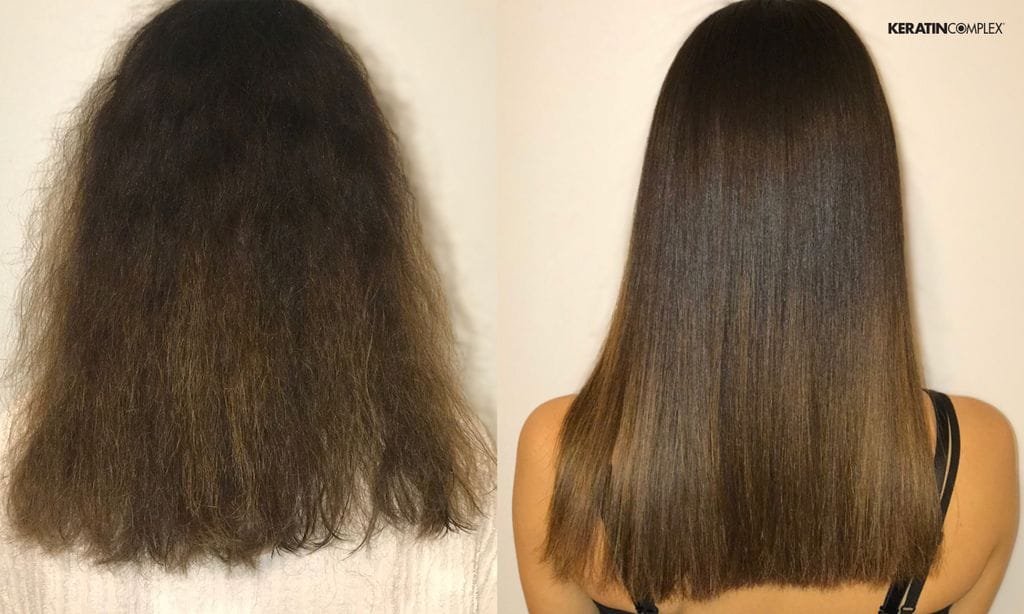
Coloring, heat styling, and chemical treatments can transform your look—but they often come at a cost. Dryness, breakage, split ends, and dullness are common signs of hair damage. The good news is that with the right care and consistency, damaged hair can be restored to a healthier, stronger state.
Here’s how to repair and revive your hair after coloring or frequent styling.
1. Understand What Causes Hair Damage
Before fixing the problem, it helps to know the cause.
Coloring and chemical treatments weaken the hair shaft by breaking down its natural protein structure. Heat styling tools like straighteners, curling irons, and blow dryers strip moisture and cause cuticle damage. Over time, this leads to brittle, fragile hair that’s prone to breakage.
2. Switch to a Gentle, Sulfate-Free Shampoo
Why it matters: Harsh shampoos strip natural oils and fade color faster.
What to do: Choose a sulfate-free, color-safe shampoo that cleanses without drying out your hair. Limit washing to 2–3 times a week to preserve moisture and color.
3. Condition Every Time You Wash
Why it matters: Coloring and heat styling reduce your hair’s ability to retain moisture.
What to do: Use a rich conditioner after every wash, focusing on mid-lengths and ends. Look for ingredients like argan oil, shea butter, ceramides, and glycerin.
4. Incorporate Weekly Deep Conditioning Treatments
Why it matters: Deep conditioners penetrate the hair shaft to restore hydration and softness.
What to do: Apply a deep conditioning mask once or twice a week. Leave it on for 15–30 minutes for maximum benefit, and use a shower cap to help ingredients absorb better.
5. Repair with Protein Treatments (But Don’t Overdo It)
Why it matters: Hair is made of protein, and chemical treatments deplete it.
What to do: Use protein treatments occasionally to strengthen weak strands and reduce breakage. Balance is key—too much protein can make hair stiff and brittle, so alternate with moisturizing treatments.
6. Reduce Heat Styling
Why it matters: Excessive heat worsens existing damage.
What to do: Limit heat styling as much as possible. When you do use heat, always apply a heat protectant and keep tools below 350°F (180°C).
7. Trim Regularly to Prevent Split Ends
Why it matters: Split ends travel up the hair shaft if left untreated.
What to do: Trim your hair every 6–8 weeks to remove damaged ends and maintain healthy-looking hair.
8. Be Gentle with Wet Hair
Why it matters: Wet hair is more fragile and prone to breakage.
What to do: Use a wide-tooth comb or detangling brush, and avoid rough towel drying. Instead, gently blot excess water with a microfiber towel or cotton T-shirt.
9. Protect Hair While You Sleep
Why it matters: Friction causes breakage and frizz.
What to do: Sleep on a silk or satin pillowcase, or wrap your hair in a silk scarf to reduce friction and retain moisture.
10. Nourish Hair from the Inside Out
Why it matters: Healthy hair starts with good nutrition.
What to do: Eat a balanced diet rich in protein, vitamins, and healthy fats. Stay hydrated and consider supplements like biotin or collagen if recommended by a professional.
Final Thoughts
Repairing damaged hair takes time, patience, and the right routine. While you can’t completely undo damage overnight, consistent care can dramatically improve your hair’s strength, shine, and manageability. Treat your hair gently, protect it from further damage, and focus on hydration and repair—your hair will thank you with healthier, more vibrant results.